The First Hour After a Backup: Containment Steps That Limit Water Damage Before the Plumber Arrives

Walking into your basement or kitchen only to find a pool of murky water standing where it shouldn’t be is a genuine nightmare. It usually happens at the worst possible time, like ten minutes before you have to leave for work or right as you are sitting down for dinner. When a drain fails, every second feels like a race against the clock because water is relentless. Seeking out urgent drain cleaning solutions to prevent water damage becomes your immediate priority. However, while you wait for a professional to get to your door, the actions you take in that first hour can be the difference between a simple cleanup and a $10,000 floor replacement.
Stop the Flow Immediately
The very first thing you need to do is cut off the source. If the backup is due to a toilet overflowing or a sink not draining, stop using every plumbing fixture in the house. People often forget that your home plumbing is a connected system. If you have a main line clog, running the upstairs shower will only send more water down to the lowest point, which is usually where the backup is occurring.
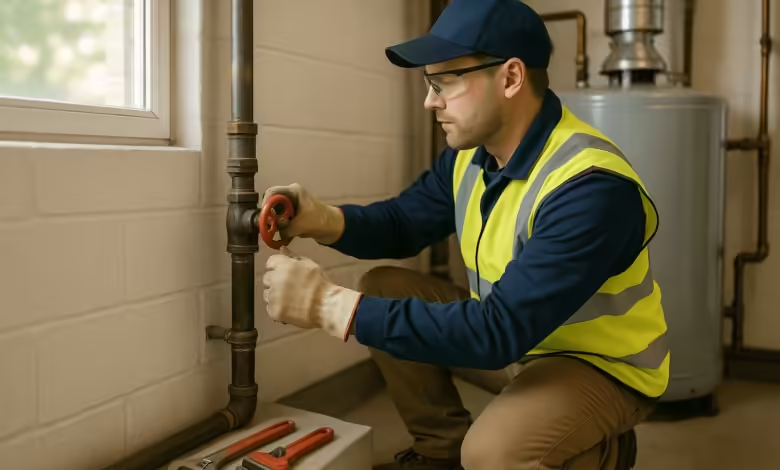
If the water is coming from a specific appliance like a dishwasher or washing machine, hit the cancel button or pull the plug. If you cannot identify the source of the water, find your main water shut-off valve and turn it clockwise until it stops. Killing the flow buys you time to think without watching the puddle grow in real time.
Safety First: Power and Protection
Water and electricity are a lethal combination. If the water has reached any floor outlets, extension cords, or the base of large appliances, do not step into the puddle. Go to your breaker box and shut off the power to those specific rooms. It is better to work in the dark with a flashlight than to risk a shock.
Once the area is electrically safe, put on some gear. This isn’t just tap water; it is “grey” or “black” water, meaning it contains bacteria and pathogens. Grab some rubber boots and gloves. If you have a face mask from your DIY painting kit, throw that on too. You want to avoid any direct contact with the backup as much as humanly possible while you handle the mess.
Clear the Path and Save Your Stuff
Now that the flow is stopped and you are safe, start moving things. Porous materials are the most vulnerable. This includes area rugs, cardboard boxes, and curtains that might be touching the floor. If you have furniture in the splash zone, use aluminum foil or plastic wrap to wrap the legs. This prevents the wood from soaking up water and stops the finish on the furniture from staining your carpet.
If the backup is in a basement storage area, get those cardboard boxes off the ground immediately. Wet cardboard turns into a soggy mess that grows mold faster than almost anything else in your home. Even if the items inside are plastic, the box itself will become a breeding ground for spores within twenty-four hours.
Start the Extraction Process
You don’t need to wait for the plumber to start removing the water. If you own a wet/dry shop vacuum, this is its moment to shine. Remove the paper filter first, then start sucking up as much standing water as you can. If you don’t have a vacuum, the old-fashioned bucket-and-mop method is still effective.
The goal here isn’t to get the floor bone dry, but to remove the bulk of the liquid. The less time that water sits on your subfloor or baseboards, the less likely you are to deal with warping or structural rot later. While you work, keep an eye on your drains. If you see the water level receding on its own, it might be a slow clog, but if it remains stagnant, you definitely need that emergency drain cleaning service to clear the blockage deep in the pipes.
Control the Air and Humidity
Once the standing water is mostly gone, you have to deal with the moisture you can’t see. High humidity is what causes that “basement smell” to linger long after the plumber has left. Open the windows if the weather is dry outside to get some cross ventilation.
Set up every fan you own. Point them directly at the wettest spots on the floor and walls. If you have a dehumidifier, crank it up to its highest setting and remember to empty the bucket frequently. Your aim is to keep the air moving and pull moisture out of the materials. Professional restoration crews use high-powered air movers for a reason, so do your best to mimic that environment with what you have on hand.
Final Thoughts
The hour after a backup is undeniably stressful, but staying calm and moving through these steps will save you a fortune in the long run. By stopping the water, protecting your belongings, and starting the drying process, you are effectively “freezing” the damage in place. Once you have stabilized the situation, you can lean on professionals for urgent drain cleaning solutions to prevent water damage from returning. Take a deep breath, keep the fans running, and wait for the experts to handle the heavy lifting.