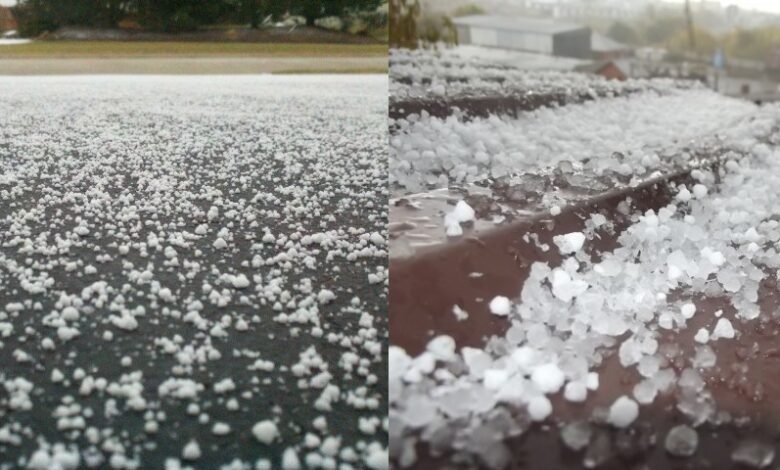
Roof damage rarely happens in a single dramatic moment. More often, it builds over time as hail strips away protective granules, sleet refreezes along the eaves, and wind-driven ice works its way beneath aging shingles. After a few tough seasons, that gradual wear can show up as leaks, drafts, and rising repair bills—leading many homeowners to invest in durable options for residential roofs that hold up to harsh weather without requiring constant, costly upkeep.
Understanding the Mechanics of Weather Resistance
True durability is more than just a heavy tile or a thick shingle; it is a meticulous combination of material strength, weather resistance, and precise installation. When winter weather turns aggressive, the primary concern is impact resistance, often measured by the UL 2218 Class 4 rating, which ensures a roof can handle the kinetic energy of falling ice. Furthermore, materials must possess high freeze-thaw resilience, meaning they do not absorb moisture that would otherwise expand and crack the substrate. According to the National Roofing Contractors Association, proper moisture management, including high-quality underlayments and balanced attic ventilation, is the hidden hero that prevents the formation of destructive ice dams. Without these underlying systems, even the most expensive exterior material will eventually succumb to the pressure of trapped water.
Selecting the Right Materials for Longevity
Homeowners looking for tough, good-looking roofs have several strong choices. Standing seam metal is a top pick because its raised, locked seams help keep water out and let snow slide off more easily. Stone-coated steel offers the textured look of wood shakes but with the strength and impact resistance of metal. If the home can support the extra weight, concrete and clay tiles hold up well against sun exposure and offer excellent fire resistance. Many people also review testing and guidance from the Insurance Institute for Business & Home Safety to compare how materials perform in severe conditions. When these systems are installed with self-sealing membranes along eaves and in valleys, they add another layer of protection where leaks most often start.
Climate Matching and Structural Needs
The best roofing material depends on your local weather, since it affects how the roof holds up over the next few decades. In areas with frequent hail, Class 4 impact-rated architectural shingles or synthetic composite roofing can take more punishment and may help keep insurance costs in check. Near the coast, salt air makes corrosion resistance a priority, so aluminum and specialty-coated products are often a better fit. Keep in mind that heavier choices like natural slate or concrete tile can require a structural check to be sure the framing can support the weight. Focusing on durable options for residential roofs helps protect your home through rough conditions, whether it’s heavy snow or wind-driven sleet.
Installation Standards and Long-Term Value
The most advanced roofing material in the world will fail if an inexperienced crew handles the installation or if corners are cut during flashing. Every penetration, from chimneys to plumbing vents, must be sealed with high-grade boots and step flashing to prevent the slow, “quiet” leaks that often go unnoticed until the wood rot has already set in. Additionally, a robust residential roofing strategy must include a plan for attic insulation; a cold, well-ventilated attic is the most effective way to keep the roof surface at a uniform temperature, thereby curbing the cycle of melting and refreezing that causes ice dams. Modern architectural shingles have evolved to include reinforced nailing zones, making them much more resilient to high-wind events than the old-fashioned three-tab varieties.
Winter does not have to be a yearly stress test for your home or your finances. By selecting a material suited for your specific weather patterns and investing in a professional installation that emphasizes underlayment and ventilation, you can transform your roof into a fortress. Whether you prefer the modern look of standing seam metal or the traditional appeal of impact-rated shingles, making an informed choice now ensures decades of security and peace of mind.